



Cut & Kit Optimizer
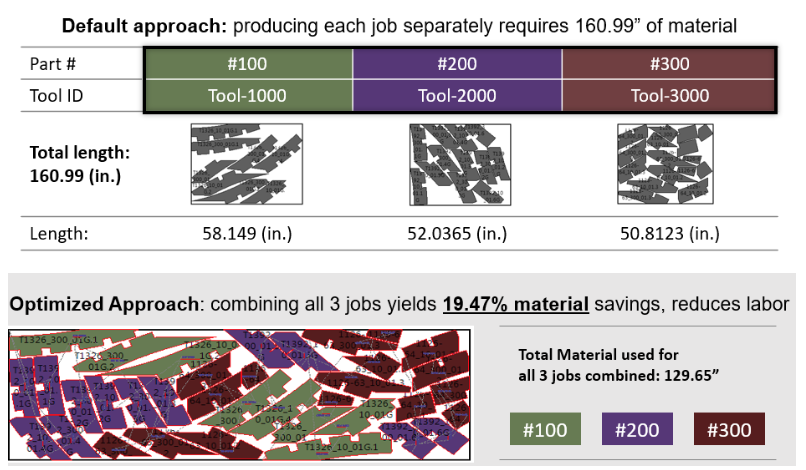
Automatically create optimized cutting plans with Plataine’s Cut & Kit Agents, while balancing material utilization and kitting operations complexity. AI Agents ensure smarter decision-making, enhancing manufacturing efficiency and bringing production optimization to a whole new level.
Plataine’s inter-connected AI Agents, automate and optimize fabric utilization across Cut & Kit operations. They seamlessly integrate with existing systems, gather real-time data from operators and software, and generate the most efficient cutting plans using AI, big data, and advanced algorithms. Whether running autonomously or with human collaboration, they boost material savings, reduce waste, and enhance flow.
FabricOptimizer also selects the best material roll—including remnants—based on inventory, geometries, and production constraints, while maintaining full traceability from material to final part for a smooth, paperless process.
Optimal dynamic cutting plans to maximize materials utilization
Remnants (Short Roll) utilization to minimize material waste
Complete traceability to ensure quality consistency
CUT WHAT YOU NEED WHEN YOU NEED IT
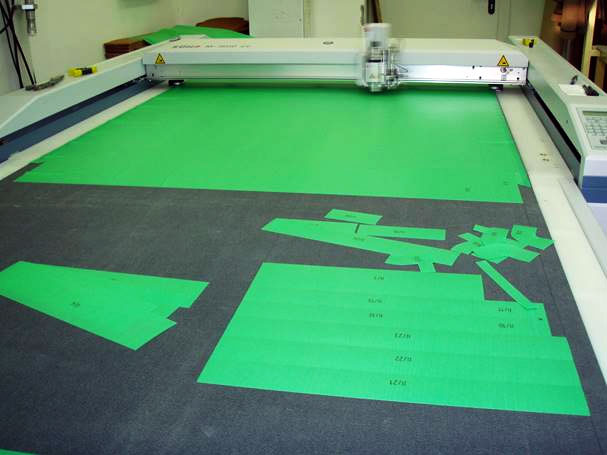
The Cutting and Kitting solution allows you to streamline all your cutting operations while saving material and reducing operations costs. Cutting plans created based on your work orders, material inventory and latest geometries ensure both efficiency and quality. The result is increased throughput and capacity while minimizing errors leading to quality rejects and re-work.
CUSTOMERS ARE SAYING
READ THE FULL CASE STUDY
APPLICABLE INDUSTRIES
FAQ
Cutting and kitting optimization software automatically creates the most efficient cutting plans by analyzing production requirements, available material inventory, part geometries, manufacturing constraints, and machine capabilities. Rather than relying on manual nesting or static cut plans, the software continuously calculates the optimal way to cut materials while minimizing waste and supporting efficient production workflows.
Plataine’s AI-powered Cut & Kit Optimizer goes beyond traditional nesting software by balancing two important goals simultaneously: maximizing material utilization while simplifying downstream kitting operations. Using AI Agents, the system selects the best material roll—including remnants and short rolls—creates optimized cutting plans, and maintains complete traceability from raw material to finished part. The result is lower material costs, improved production efficiency, reduced waste, and a more streamlined manufacturing process.
Plataine uses advanced AI algorithms to evaluate thousands of possible cutting scenarios before generating the optimal cut plan. The system analyzes work orders, material inventory, roll dimensions, part geometries, production priorities, and manufacturing constraints to maximize material yield while ensuring production requirements are met.
Unlike traditional nesting software, Plataine continuously adapts its optimization based on changing production demands and available inventory. AI Agents automatically select the most suitable material roll—including partially used rolls and remnants—to reduce waste while maintaining production efficiency. The platform can also optimize around known material defects, helping manufacturers avoid unnecessary recuts, improve first-time-right production, and maximize the value of existing inventory. This approach reduces material purchasing costs while increasing throughput and supporting sustainability initiatives.
Yes. Material costs often represent one of the largest expenses in advanced manufacturing, making waste reduction a significant opportunity for both cost savings and sustainability. Plataine’s FabricOptimizer minimizes waste by generating optimized cut plans, maximizing the use of remnants and short rolls, and recommending the most efficient material for each production job.
By increasing material yield, manufacturers can produce more parts from the same inventory while reducing scrap, unnecessary material purchases, and landfill waste. The solution also reduces recuts and rework by ensuring that cutting plans account for production constraints and known material defects. These improvements not only lower manufacturing costs but also support sustainability goals by improving material efficiency and reducing the environmental impact of production.
Plataine’s AI Agents automate many of the complex decisions traditionally performed by experienced operators. They continuously analyze production schedules, work orders, inventory levels, available material rolls, machine capabilities, and manufacturing constraints to create the most efficient cutting and kitting plans.
Rather than simply generating nesting layouts, AI Agents help manufacturers balance multiple business objectives, including maximizing material utilization, reducing operational complexity, increasing throughput, and improving production flow. They automatically recommend the best material roll, optimize remnant usage, and adjust cutting plans as production conditions change. By reducing manual planning and supporting smarter decision-making, manufacturers achieve greater consistency, lower operating costs, and faster response to changing customer demand.
Yes. FabricOptimizer is designed to integrate with existing ERP, MES, PLM, nesting systems, cutting machines, and other manufacturing software, allowing manufacturers to optimize cutting and kitting operations without replacing their current infrastructure. Production orders, inventory data, material availability, and part geometries are synchronized automatically to ensure cutting plans always reflect the latest production requirements.
As part of Plataine’s Total Production Optimization platform, FabricOptimizer also works seamlessly with the Production Scheduler, Time Sensitive Material Manager, Tool Manager, and AI Agents. This connected approach enables manufacturers to optimize not only how materials are cut, but also when they are cut, which materials should be used, and how they move through the factory. The result is a fully connected, data-driven production process with greater efficiency, complete traceability, and improved operational performance.